Central Asia | Bangladesh | Cox's Bazar

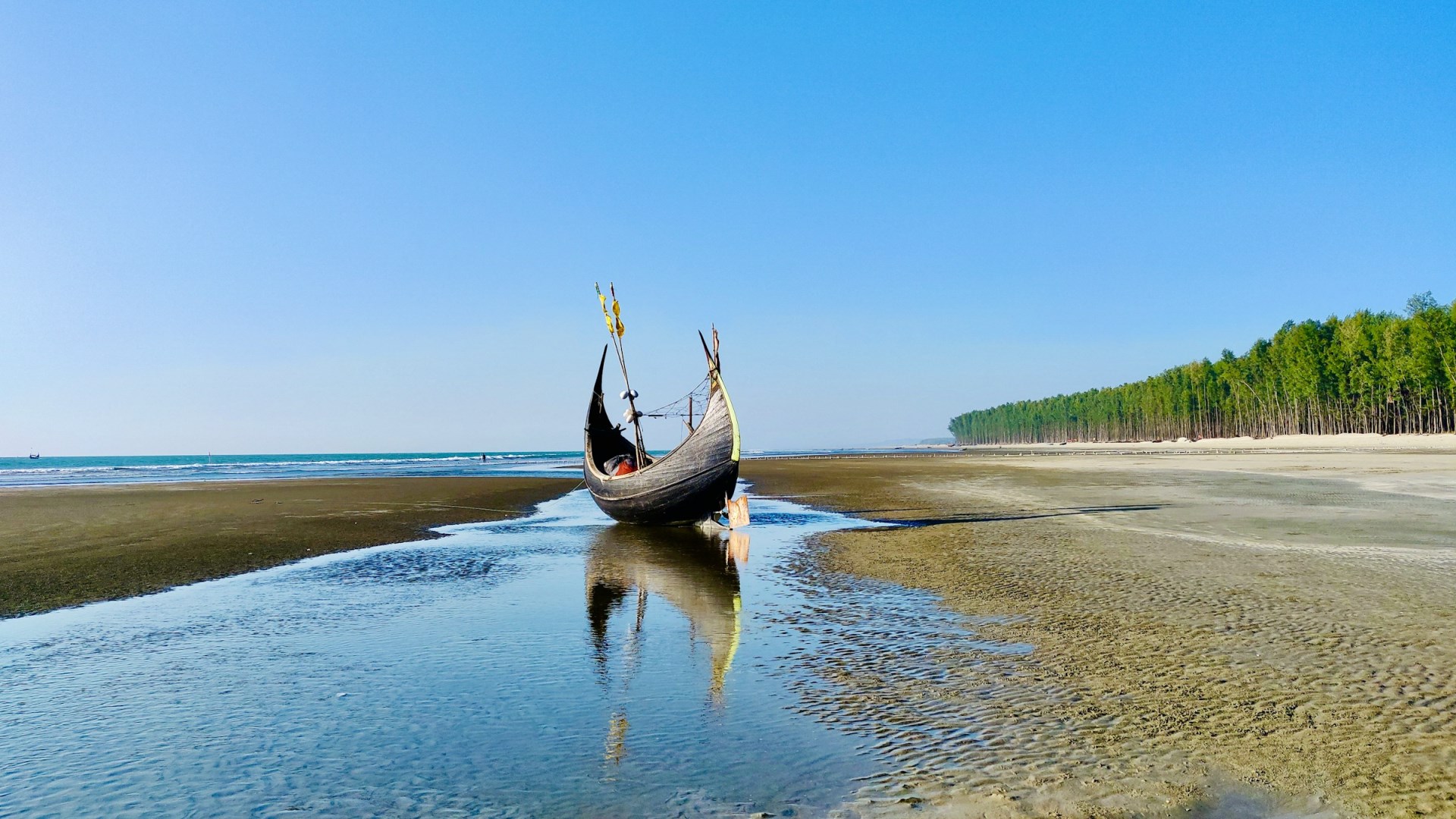
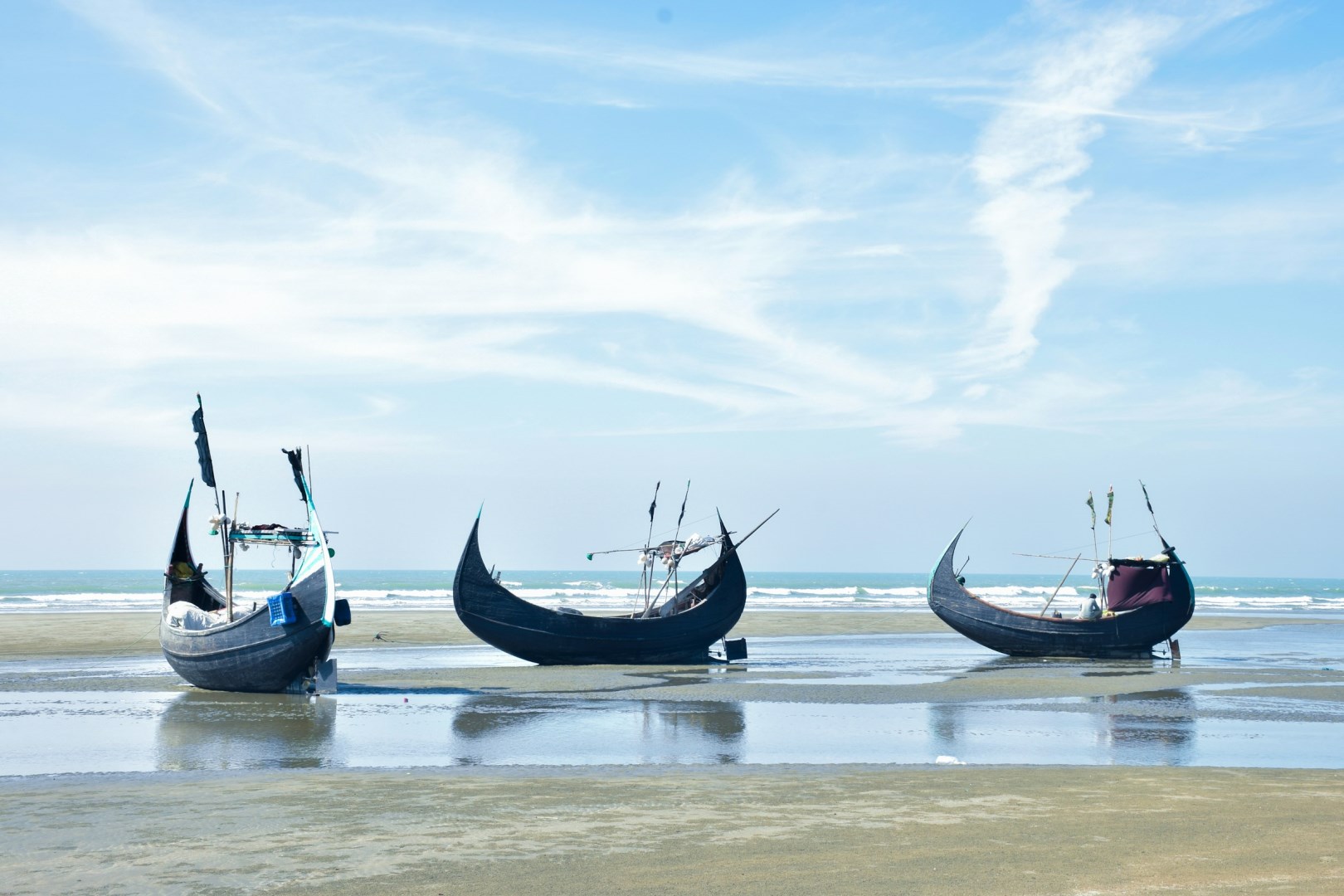
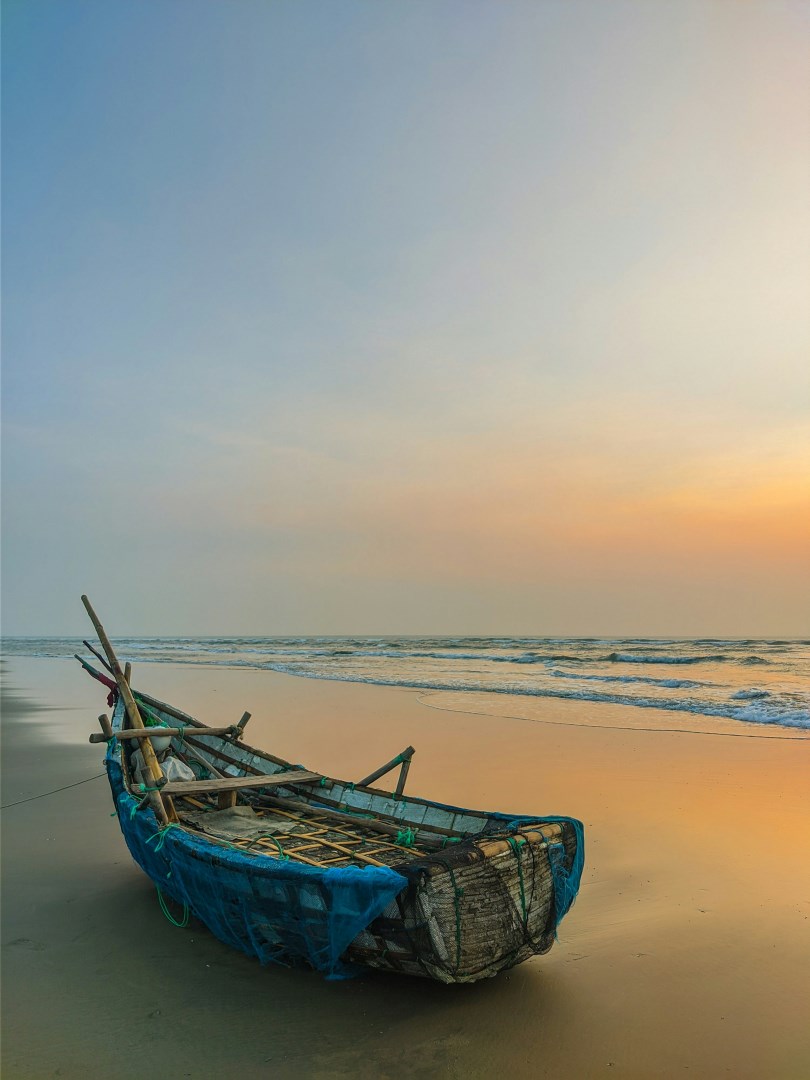
Cox’s Bazar is a coastal city in southeastern Bangladesh, known for its exceptionally long stretch of natural sandy shoreline along the Bay of Bengal. The city functions as a fishing port, tourism center, and regional commercial hub, with the beach extending through a series of coastal communities. Its setting combines open sea, sandy flats, low hills, and nearby forests, while fishing boats and seafood markets remain part of everyday life. The coastline is the main focus of the city, supporting swimming, surfing, beach walks, and other seaside activities.
Cox’s Bazar has a culturally diverse identity shaped by Bengali, Buddhist, and Indigenous communities in the surrounding region. Nearby Ramu is particularly notable for its Buddhist heritage, with monasteries, temples, Buddha images, and traditional handicrafts. The area also has strong connections to fishing and coastal trade, while local markets sell handmade products and souvenirs. The name Cox’s Bazar comes from Captain Hiram Cox, an officer of the British East India Company who was involved in settlement and refugee rehabilitation work in the area. The older name Panowa means “yellow flower.”
The coastline provides several distinct environments beyond the main city beach. Inani Beach, south of Cox’s Bazar, is characterized by sand, rocky sections, and exposed coral stones, while Himchari National Park combines tropical forest with hills overlooking the Bay of Bengal. The park supports numerous plant, bird, mammal, reptile, and amphibian species and includes a small waterfall. Sonadia Island, reached by boat, is another notable destination, with sandy shores, canals, mangrove vegetation, migratory birds, and areas associated with traditional dry-fish production. Together, these places show the variety of coastal and forest landscapes surrounding Cox’s Bazar.
Seafood is central to Cox’s Bazar’s food culture, with fresh fish, prawns, crab, and dried fish commonly found in restaurants and local markets. Shutki, or dried fish, is particularly associated with the coastal communities and is produced on nearby islands such as Sonadia. Coconut, rice, vegetables, and spices are also widely used in regional cooking. A distinctive feature of Cox’s Bazar is the close relationship between its tourism industry and traditional coastal livelihoods: the same region supports large sandy beaches, fishing communities, dry-fish production, Buddhist heritage, forest reserves, and small island ecosystems.
Other Popular Destinations in Bangladesh